2026-07-09 · Tom Keefe
What are the potential risks of pest control?
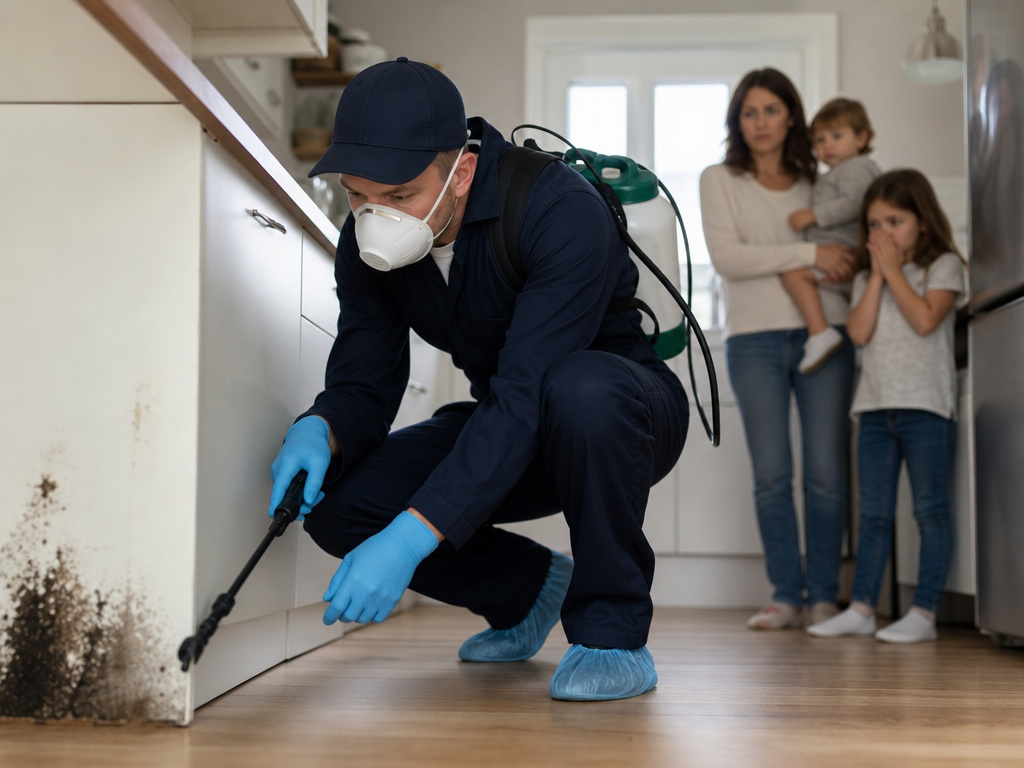
Pest control in Boston can introduce health risks from insecticide exposure, particularly in tightly sealed triple-deckers and brownstones common in Beacon Hill and the South End where ventilation is limited.
Chemical exposure concerns
Non-repellent sprays and gel baits may leave residues that affect pets and children if not applied correctly. Dusts used in wall voids can become airborne during later renovations, creating inhalation hazards in older Suffolk County buildings.
Pest resistance development
Repeated use of the same active ingredients encourages German cockroaches and ants to develop resistance, a documented issue in humid continental climates moderated by the Atlantic. This forces stronger follow-up applications that increase overall chemical load.
Structural and environmental side effects
Exclusion work that seals entry points without addressing moisture can trap humidity and worsen mold in basements of North End and Charlestown properties. Heat treatments for bed bugs risk damaging historic woodwork if temperatures are not monitored precisely.
DIY versus professional boundaries
Homeowners attempting over-the-counter products often under-dose, allowing colonies to rebound stronger. For recurring issues in neighborhoods like Jamaica Plain or Dorchester, a technician can evaluate harborages around Boston Common and the Public Garden that DIY methods miss.
Food safety and re-entry timing
Treating kitchens requires removing or covering food-prep surfaces and observing label re-entry intervals. Failure to do so risks contamination, especially in dense urban settings where residents return home quickly after service.