2026-07-09 · Tom Keefe
What smell do most pests hate?
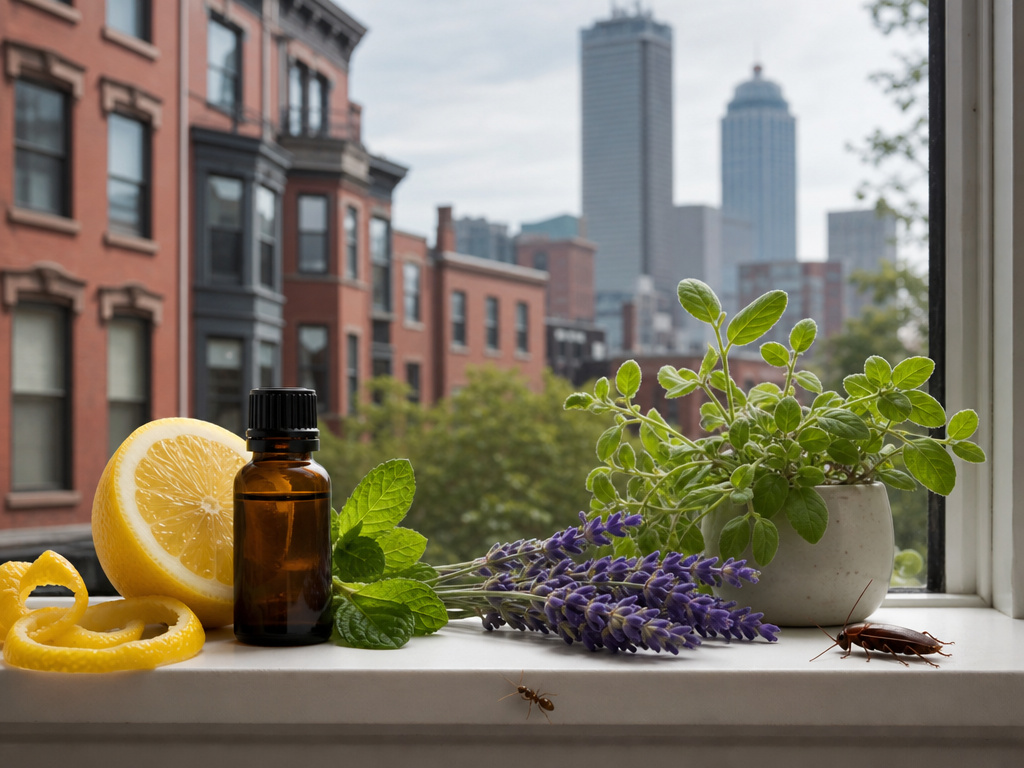
Most pests hate the smell of peppermint. The strong menthol compounds overwhelm the olfactory receptors that insects and rodents rely on to locate food and shelter in Boston's humid continental climate moderated by the Atlantic Ocean.
Why peppermint works across pest types
Cockroaches, ants, and mice all navigate by scent. Peppermint masks those cues without repelling them in the way that drives them deeper into wall voids common in Beacon Hill and North End brownstones. Non-repellent treatments remain the better choice for active colonies because they allow pests to carry material back to hidden nests.
How to apply it safely
Place cotton balls soaked in food-grade peppermint oil near entry points such as gaps around windows and doors. Reapply every few days in humid weather when the scent dissipates faster. Keep applications away from food-prep surfaces and out of reach of pets and children.
When DIY is not enough
For recurring issues in older housing stock throughout Dorchester or Jamaica Plain, exclusion work and targeted applications of gel baits or insect growth regulators deliver longer results than scent alone. Dusts applied into voids can also address hidden activity without leaving residues in living areas.
Local considerations for Boston homes
The Atlantic influence keeps humidity high enough that many pests remain active into late fall. Focus on sealing cracks in brick and brownstone foundations before winter sets in, then maintain peppermint barriers only as a supplemental measure around known travel paths.
Professional support for structural cases
Household pest control technicians can combine exclusion, IGRs, and non-repellent products when scent methods alone fail to resolve activity inside walls or attics.