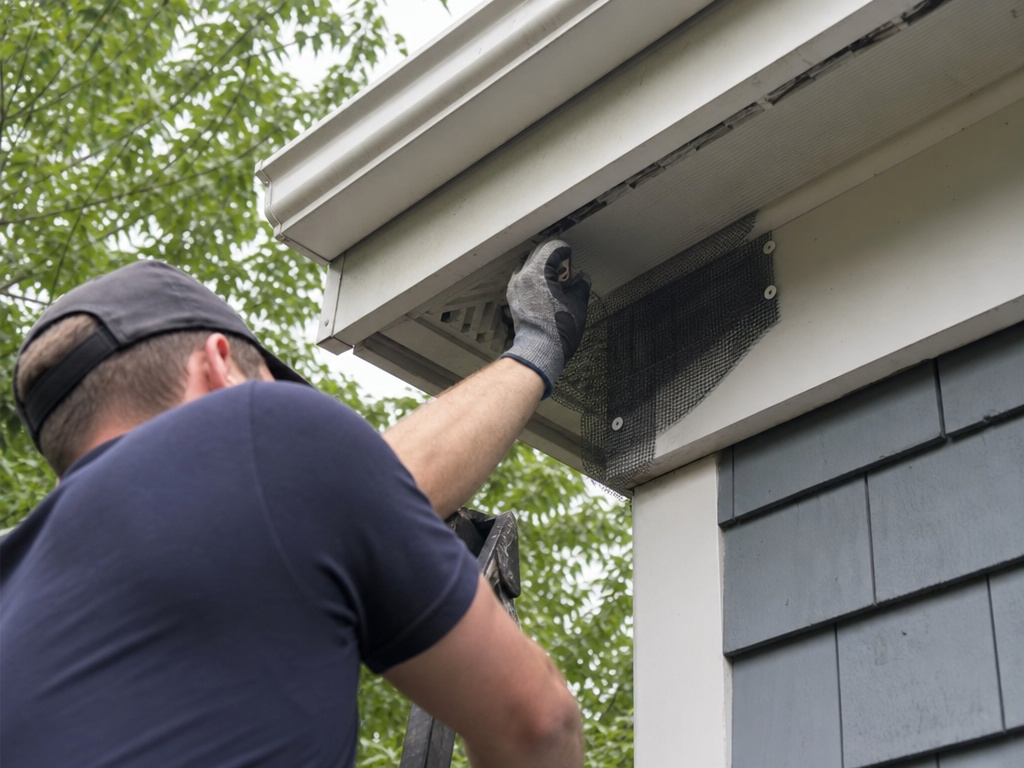
Bats enter Boston attics through gaps as small as a quarter inch, especially in Beacon Hill's 19th-century brick row houses and South End brownstones where original flashing and soffits have shifted. We use one-way exclusion devices and heavy-duty polypropylene netting rather than poisons, complying with Massachusetts Division of Fisheries and Wildlife rules that protect native species like little brown and big brown bats. Our crews work around the Atlantic-moderated humid continental climate that keeps bats active later into fall than in inland areas.
Guano accumulation in Roxbury triple-deckers or Jamaica Plain Victorians creates respiratory hazards and can stain plaster ceilings; we remove it with HEPA vacuums and apply enzyme-based deodorizers before sealing entry points with copper mesh and expanding foam. Maternity colonies peak from May through August, so we time exclusions outside those months to avoid trapping pups. Every job includes a follow-up inspection two weeks later to confirm no bats remain.
Bat Removal Near You — Choose Your City
Every city below has its own local Bat Removal page with coverage details.
Middlesex
Worcester County
Worcester
Barnstable County
Middlesex County
Norfolk
Barnstable
Plymouth County
Essex County
Essex
Berkshire County
Hampshire County
Norfolk County
Hampden County
Franklin
Bristol
Berkshire
Plymouth
Franklin County
Hampden
Bristol County
Suffolk
Hampshire
Suffolk County
Dukes
Dukes County
Nantucket
Historic district restrictions in Charlestown and the North End often limit visible exterior changes, so we route exclusions through interior access points and match sealant colors to existing masonry. We never use fumigation or glue boards on bats.
Bat Removal Services We Offer
✓One-Way Door Bat Exclusion
Installs permitted one-way valves on primary entry points so bats exit but cannot re-enter, followed by permanent sealing after 5-7 days.
✓Attic Bat Guano Removal
HEPA-vacuum extraction of droppings and insulation replacement in Boston attics, with enzyme treatment to neutralize odors and pathogens.
✓Historic Home Bat Proofing
Custom copper mesh and color-matched sealant work on Beacon Hill and Back Bay properties that must meet historic commission guidelines.
✓Maternity Colony Bat Relocation
Post-August exclusion of nursing colonies in multi-family buildings, with humane eviction timing that complies with state wildlife regulations.
✓Emergency Bat Removal
Same-day response for bats inside living spaces in Dorchester and South Boston homes, using safe capture and release protocols.
✓Commercial Building Bat Control
Exclusion and monitoring for office and mixed-use structures near Boston Harbor and Faneuil Hall where bats roost in expansion joints.
How it works
- 1
Detailed Inspection
We inspect attics, eaves, and chimneys from Beacon Hill to Brighton using binoculars and borescopes to map all entry points and assess colony size.
- 2
Exclusion Device Installation
One-way doors and netting are placed at active exits; we schedule around weather to avoid trapping bats during heavy rain or heat waves.
- 3
Guano Cleanup and Sealing
After bats have left, we remove waste, replace affected insulation, and permanently seal openings with materials suited to Boston's salt-air exposure.
- 4
Follow-Up Verification
A return visit two weeks later confirms the building is bat-free and checks that seals remain intact before final sign-off.
Pricing
Pricing depends on building size, number of entry points, and whether guano cleanup is required; we provide written quotes after the initial inspection.