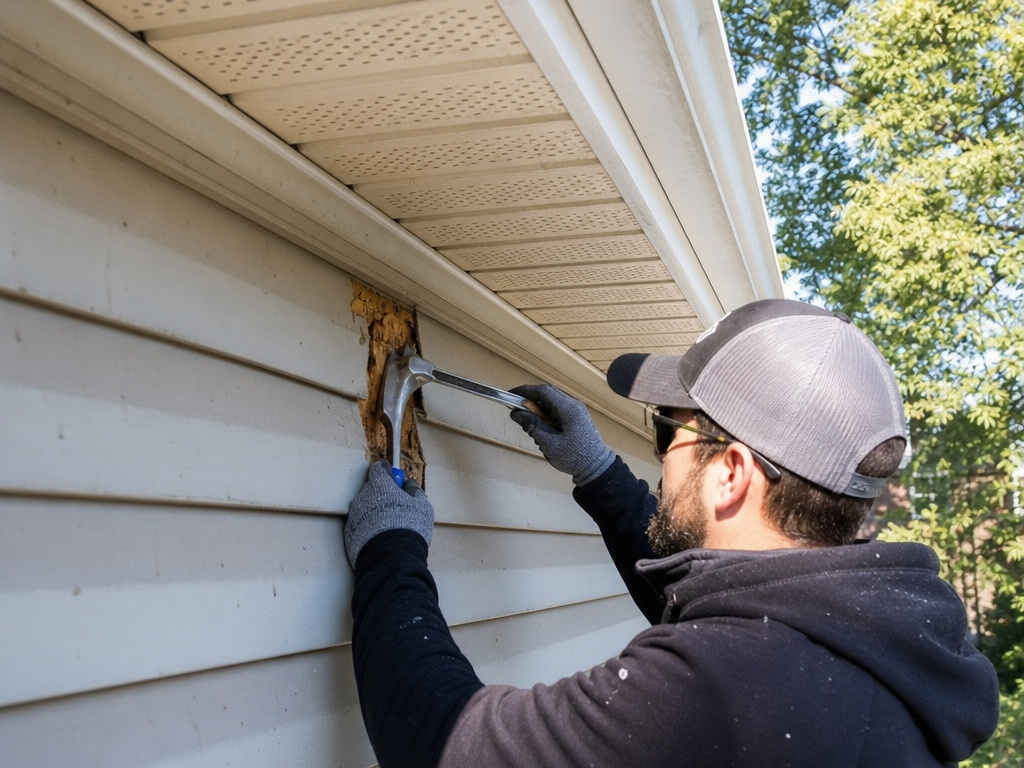
Woodpeckers target cedar siding, fascia boards, and eaves on older homes common in Beacon Hill, the North End, and South End. The Atlantic-moderated humid climate keeps insect populations active longer, drawing birds to structures near Boston Common and the Public Garden. We focus on exclusion rather than lethal methods because these birds are protected under federal law.
Our crews use UV-rated netting, stainless steel mesh, and expanding foam sealants rated for coastal freeze-thaw cycles. On multi-story brownstones in Charlestown or Jamaica Plain we install custom brackets so netting sits 3–4 inches off the wall, preventing birds from reaching the surface while preserving airflow. We never use sticky repellents on historic masonry.
Woodpecker Removal Near You — Choose Your City
Every city below has its own local Woodpecker Removal page with coverage details.
Middlesex
Worcester County
Worcester
Barnstable County
Middlesex County
Norfolk
Barnstable
Plymouth County
Essex County
Essex
Berkshire County
Hampshire County
Norfolk County
Hampden County
Franklin
Bristol
Berkshire
Plymouth
Franklin County
Hampden
Bristol County
Suffolk
Hampshire
Suffolk County
Dukes
Dukes County
Nantucket
Edge cases include active nests in soffits near Fenway Park or drumming damage on vinyl-clad condos in Allston. We document entry points with photos, then schedule follow-up visits 7–10 days after exclusion to confirm the birds have moved to natural foraging sites along the Harbor or Charles River.
All work follows Massachusetts wildlife guidelines; we file required reports when nests are relocated. Homeowners receive a written map of treated elevations and a 90-day exclusion warranty covering re-entry at the same locations.
Woodpecker Removal Services We Offer
✓Woodpecker Damage Inspection
Detailed exterior survey of siding, eaves, and trim on Beacon Hill and Back Bay homes to locate active drumming sites and entry holes.
✓Exclusion Netting Installation
Custom UV-stabilized netting mounted on stainless brackets to protect cedar and vinyl surfaces without trapping birds.
✓Repellent Gel and Tape Application
Food-grade gel and reflective tape applied to high drumming zones on commercial and multi-family buildings in Dorchester and Roxbury.
✓Soffit and Fascia Sealing
Mesh and expanding foam sealing of gaps in eaves and fascia to prevent nesting in historic and modern Boston structures.
✓Multi-Story Exclusion Work
Scaffolding and lift access for netting and mesh on three- to five-story buildings in the South End and Charlestown.
✓Post-Exclusion Monitoring
Follow-up visits 7–14 days after initial work to confirm birds have relocated and repair any new activity.
How it works
- 1
On-Site Inspection
We examine all elevations, note woodpecker species, and photograph active holes from Beacon Hill to East Boston.
- 2
Exclusion Plan
We map netting, mesh, and sealant locations and review the plan with the property owner before any work begins.
- 3
Installation
Netting and barriers are installed during Mon–Fri 8am–6pm or Sat 9am–2pm windows using methods safe for protected species.
- 4
Verification Visit
We return after one week to confirm relocation and provide a written report of treated areas.
Pricing
Pricing varies by building height, linear footage of affected siding, and access requirements; upfront quotes provided after inspection.