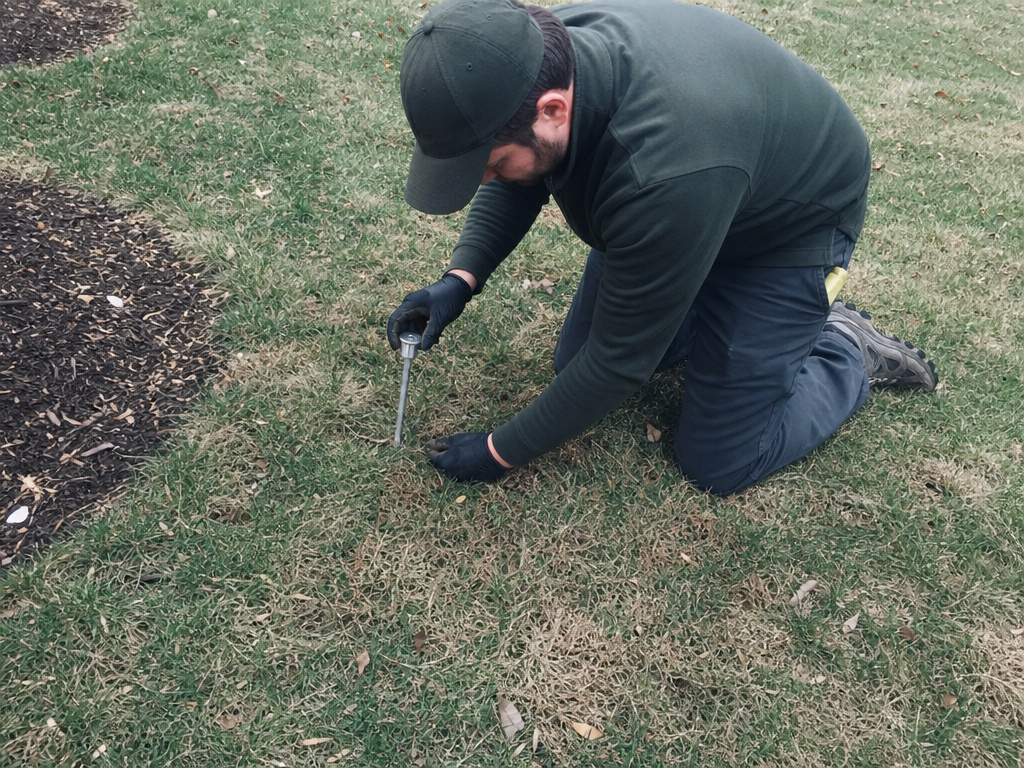
Voles thrive in Boston’s humid continental climate where Atlantic moisture keeps grass and mulch damp year-round, creating ideal runway cover in Beacon Hill gardens, Boston Common borders, and South End brownstone courtyards. We map active tunnels with a combination of live traps and non-toxic monitoring stations before any product is placed, because voles quickly avoid stations that have been disturbed by pedestrians or dogs near the Freedom Trail and Faneuil Hall.
Massachusetts regulations require that any rodenticide used within 100 feet of a waterway such as Boston Harbor or the Charles River be placed in locked, tamper-resistant stations; we document every placement with GPS coordinates for your records. In multi-family properties in Dorchester and Jamaica Plain we coordinate with property managers to avoid conflicts with tenant pets and children while still reaching the subsurface burrows that standard lawn treatments miss.
Vole Control Near You — Choose Your City
Every city below has its own local Vole Control page with coverage details.
Middlesex
Worcester County
Worcester
Barnstable County
Middlesex County
Norfolk
Barnstable
Plymouth County
Essex County
Essex
Berkshire County
Hampshire County
Norfolk County
Hampden County
Franklin
Bristol
Berkshire
Plymouth
Franklin County
Hampden
Bristol County
Suffolk
Hampshire
Suffolk County
Dukes
Dukes County
Nantucket
Edge cases we see regularly include voles crossing from the Public Garden into adjacent private yards via utility tunnels and voles using leaf-litter piles left along the Emerald Necklace as winter harborage. We never rely on broadcast pellets alone because rain and irrigation quickly render them ineffective in our coastal conditions; instead we combine mechanical trapping with targeted habitat modification that removes the dense thatch voles need for cover.
Vole Control Services We Offer
✓Vole Tunnel Trapping
Placement of multiple live and snap traps along active runways with daily checks until activity ceases, ideal for small Beacon Hill and North End gardens where chemical use is restricted.
✓Residential Garden Vole Exclusion
Installation of ¼-inch hardware cloth barriers buried 6–8 inches along garden perimeters to stop voles from entering raised beds and flower borders common in the South End and Back Bay.
✓Lawn Vole Bait Station Program
Secured, locked bait stations placed along property edges and monitored bi-weekly, suitable for larger yards in Brighton, Allston and Jamaica Plain where surface runways are visible.
✓Multi-Unit Vole Monitoring
Coordinated inspection and treatment across attached buildings and shared courtyards in Charlestown and East Boston to prevent re-infestation from neighboring properties.
✓Commercial Property Vole Prevention
Quarterly inspections and habitat modification for office parks and institutional grounds near Fenway Park and the New England Aquarium where landscaping attracts voles.
✓Vole Habitat Modification
Removal of thick mulch, leaf piles and dense groundcover plus installation of gravel borders that eliminate the cover voles require in urban Boston lots.
How it works
- 1
Property Inspection
We walk the entire lot, identify active runways, and note proximity to water features or neighboring green spaces before recommending any action.
- 2
Treatment Plan
We select trapping, exclusion or locked bait stations based on property size, pet presence and local regulations, then schedule work during your available window.
- 3
Implementation
Traps and stations are placed, barriers installed, and excess cover removed; all work is documented with photos for your records.
- 4
Follow-Up Monitoring
We return within 7–10 days to check results and adjust stations or traps until no fresh activity is found, then provide a written summary.
Pricing
Pricing varies by lot size, number of active runways, and whether exclusion work is required; we provide an upfront quote after inspection.