Boston's humid continental climate moderated by the Atlantic creates year-round moisture that draws rodents into older brick and brownstone buildings common in Beacon Hill, Back Bay, and the North End. We focus first on entry-point sealing around foundations, utility penetrations, and rooflines where Norway rats and house mice exploit gaps as small as a quarter inch.
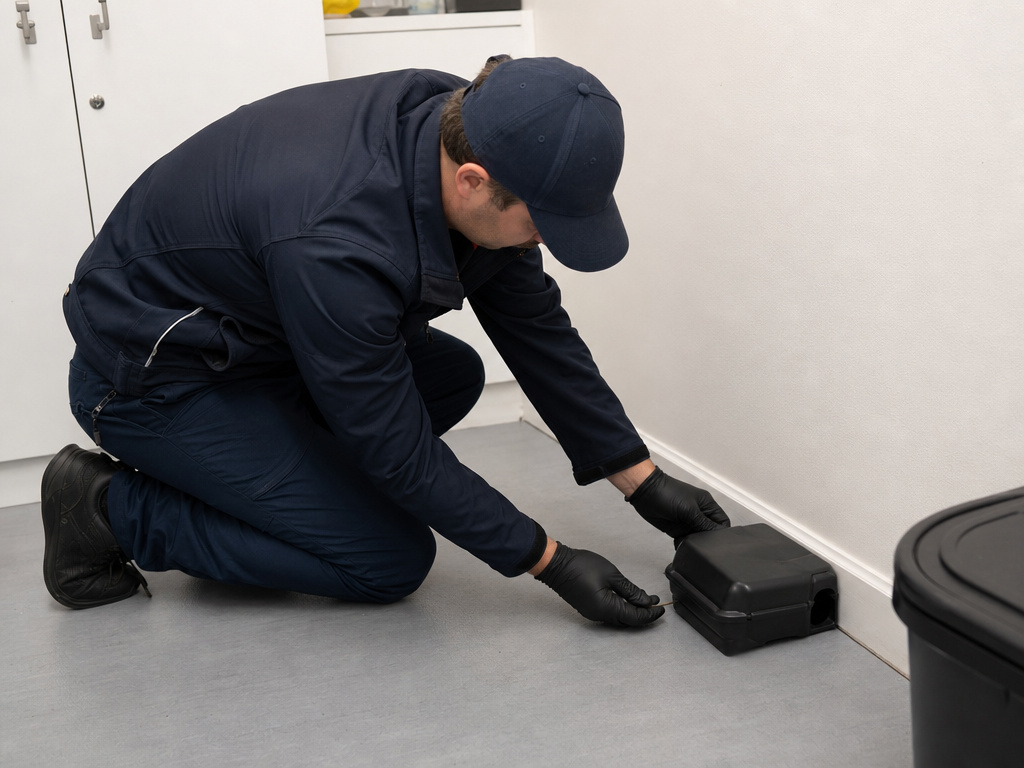
Our approach prioritizes mechanical exclusion with stainless-steel mesh and heavy-gauge door sweeps before any bait placement. In multi-unit buildings on Beacon Hill or South End blocks, we map travel routes through shared walls and ceiling voids to avoid cross-contamination between units. All work follows Suffolk County guidelines for placement of tamper-resistant stations in areas accessible to children or pets.
Rodent Control Near You — Choose Your City
Every city below has its own local Rodent Control page with coverage details.
Middlesex
Worcester County
Worcester
Barnstable County
Middlesex County
Norfolk
Barnstable
Plymouth County
Essex County
Essex
Berkshire County
Hampshire County
Norfolk County
Hampden County
Franklin
Bristol
Berkshire
Plymouth
Franklin County
Hampden
Bristol County
Suffolk
Hampshire
Suffolk County
Dukes
Dukes County
Nantucket
We use non-toxic tracking dust and mechanical traps in kitchens and restaurants near Faneuil Hall and Boston Harbor where food odors travel through vents. Follow-up visits confirm activity drop-off and adjust stations before seasonal spikes that occur with Atlantic-driven temperature swings.
Properties in Dorchester, Jamaica Plain, and Charlestown often require attic and crawlspace work where roof rats nest in insulation near chimneys. We document every access point and provide a written report for property managers.
Rodent Control Services We Offer
✓Norway Rat Exclusion Sealing
Identifies and permanently closes foundation and utility entry points common in Beacon Hill and Back Bay brownstones using steel mesh and concrete patching.
✓House Mouse Bait Station Placement
Installs locked interior and exterior stations along walls and behind appliances in kitchens and basements where mice travel in humid Boston row houses.
✓Roof Rat Attic Trapping
Targets roof rats nesting in insulation and rafters of older Charlestown and North End homes with mechanical traps and entry-point sealing at rooflines.
✓Multi-Family Building Rodent Monitoring
Sets up recurring station checks and tracking across shared walls in South End and Dorchester apartment buildings to prevent unit-to-unit movement.
✓Commercial Kitchen Rodent Control
Focuses on grease traps, floor drains, and vent lines in restaurants near Faneuil Hall and the New England Aquarium using heavy-duty stations and daily sanitation guidance.
✓Preventive Rodent Barrier Installation
Applies exterior sealing and station grids around properties in Allston and Brighton before seasonal activity increases driven by Atlantic moisture.
How it works
- 1
Detailed Property Inspection
We walk the interior, exterior, attic, and crawlspace to locate active runs, droppings, and entry points specific to Boston construction.
- 2
Exclusion Work
All identified gaps are sealed with rodent-proof materials before any trapping or baiting begins.
- 3
Targeted Trapping and Stations
Mechanical traps and locked bait stations are placed along confirmed travel routes with placement logged for follow-up.
- 4
Monitoring and Adjustment
Return visits confirm reduced activity and relocate stations as needed until the infestation is eliminated.
Pricing
Pricing varies by property size, number of units, and extent of entry points; we provide an upfront quote after the initial inspection.