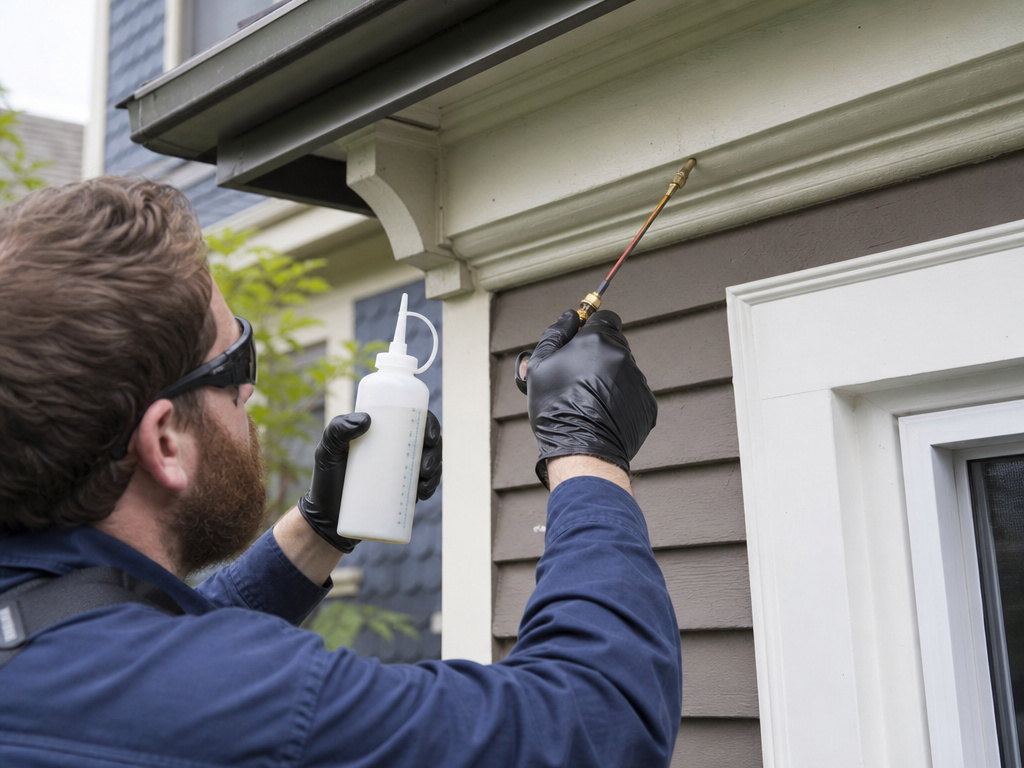
Carpenter bees drill perfectly round 1/2-inch holes into untreated or weathered cedar, pine and fir trim on Boston porches, soffits and fences. The humid continental climate moderated by the Atlantic keeps wood moisture high enough that untreated surfaces in Back Bay and South End brownstones become prime targets each spring.
We locate active nests by watching for males hovering at hole entrances and confirm female activity by tapping the wood to hear buzzing inside. Once mapped we inject an approved residual dust directly into the gallery, then plug the entry with a color-matched wood dowel and exterior-grade filler so water cannot re-enter the tunnel during coastal storms.
Carpenter Bee Removal Near You — Choose Your City
Every city below has its own local Carpenter Bee Removal page with coverage details.
Middlesex
Worcester County
Worcester
Barnstable County
Middlesex County
Norfolk
Barnstable
Plymouth County
Essex County
Essex
Berkshire County
Hampshire County
Norfolk County
Hampden County
Franklin
Bristol
Berkshire
Plymouth
Franklin County
Hampden
Bristol County
Suffolk
Hampshire
Suffolk County
Dukes
Dukes County
Nantucket
Historic Beacon Hill and North End structures require extra care; we never use high-pressure sprays that could damage original clapboard or push dust into interior plaster. After treatment we apply a penetrating oil-based sealer to exposed end grain on eaves and deck joists to deter re-boring without altering the appearance of painted trim.
Follow-up visits in late summer catch any missed larvae that emerge as adults, preventing the next generation from widening the same galleries.
Carpenter Bee Removal Services We Offer
✓Active Nest Dust Treatment
Direct injection of labeled insecticidal dust into carpenter bee galleries to kill adults and developing larvae inside the wood.
✓Wood Plugging and Sealing
Filling drilled holes with hardwood dowels and exterior filler followed by penetrating sealer on exposed surfaces to stop water entry and future nesting.
✓Residential Eave and Soffit Protection
Targeted treatment and sealing of eaves, rake boards and porch ceilings on single-family homes in Dorchester, Jamaica Plain and Roxbury.
✓Deck and Fence Carpenter Bee Control
Inspection and treatment of pressure-treated and cedar decking, railings and fence posts common on South Boston and East Boston properties.
✓Historic Building Safe Removal
Low-impact methods for Beacon Hill, North End and Charlestown structures that protect original woodwork while eliminating active nests.
✓Preventive Barrier Spray
Seasonal perimeter application to untreated fascia, window trim and deck ledger boards to reduce new nesting attempts each spring.
How it works
- 1
Site Inspection
We examine all exterior wood surfaces for fresh holes, staining and hovering males, documenting activity on decks, eaves and fences around your Boston property.
- 2
Targeted Treatment
Insecticidal dust is injected into each confirmed gallery; entry points are then plugged and sealed the same day to prevent re-entry.
- 3
Exclusion and Sealing
Exposed end grain and previous nest sites receive penetrating sealer; any cracked trim that could shelter new bees is repaired.
- 4
Follow-Up Monitoring
A second visit 6–8 weeks later confirms no new activity and treats any late-emerging adults before they establish fresh nests.
Pricing
Pricing depends on number of active nests, height of treatment areas and square footage of wood requiring sealing; we provide an upfront quote after inspection.