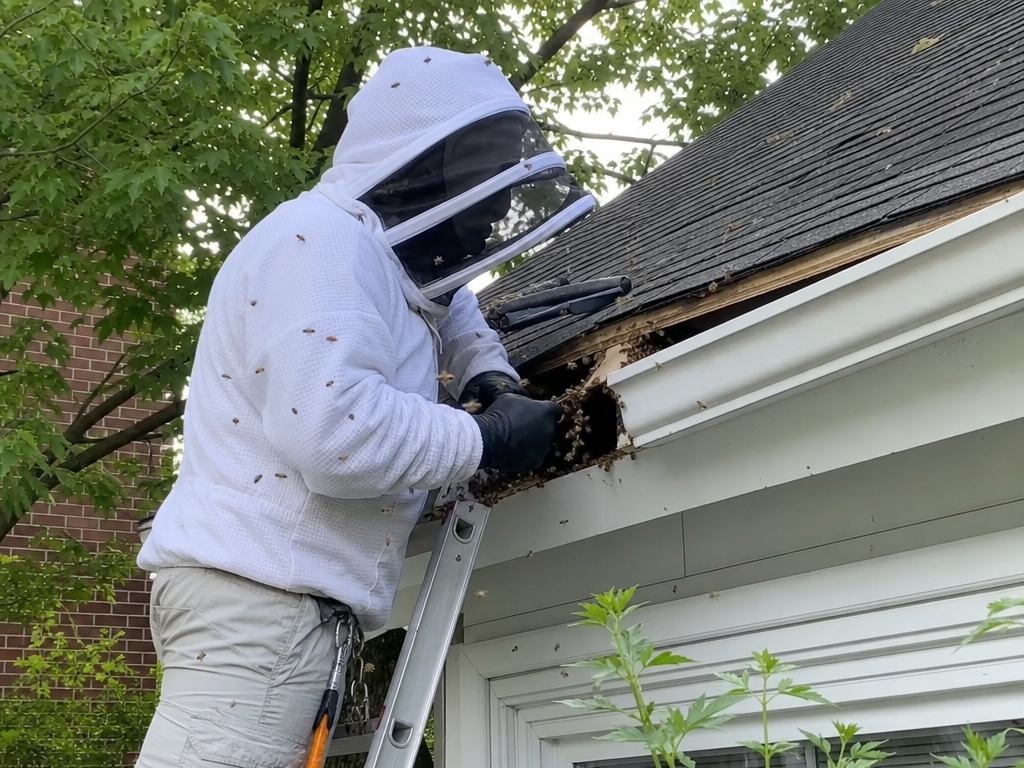
Boston's humid continental climate and aging brick and wood-frame buildings in Beacon Hill, Back Bay and the North End create ideal nesting sites for honey bees, carpenter bees and yellowjackets. We locate hidden colonies behind siding, in soffits, and inside wall voids around landmarks such as Boston Common and the Freedom Trail without unnecessary demolition.
Massachusetts protects managed honey bees, so our first approach is always live removal and relocation to a local apiary rather than extermination. For carpenter bees that bore into exposed rafters on Charlestown and Jamaica Plain porches we use targeted dusts and exclusion plugs that stop re-entry without affecting non-target pollinators.
Bee Removal Near You — Choose Your City
Every city below has its own local Bee Removal page with coverage details.
Middlesex
Worcester County
Worcester
Barnstable County
Middlesex County
Norfolk
Barnstable
Plymouth County
Essex County
Essex
Berkshire County
Hampshire County
Norfolk County
Hampden County
Franklin
Bristol
Berkshire
Plymouth
Franklin County
Hampden
Bristol County
Suffolk
Hampshire
Suffolk County
Dukes
Dukes County
Nantucket
Yellowjacket ground nests in South Boston yards and attic colonies in multi-family Dorchester triple-deckers require different PPE and vacuuming techniques; we never treat during peak foraging hours to reduce the risk of defensive swarming near playgrounds and the Boston Public Garden.
All work follows Suffolk County guidelines and is performed only during posted hours from our Beacon Hill base so property owners can inspect the site the same day.
Bee Removal Services We Offer
✓Honey Bee Swarm Removal
Live capture and relocation of honey bee swarms from trees, gutters and building exteriors in Beacon Hill and surrounding neighborhoods.
✓Carpenter Bee Nest Extraction
Drill-and-plug treatment plus future-entry exclusion for carpenter bees boring into exposed wood on Back Bay brownstones and South End row houses.
✓Yellowjacket Ground Nest Treatment
Dust and vacuum removal of yellowjacket colonies nesting in lawns and garden beds around Jamaica Plain and Roxbury properties.
✓Attic Wasp Colony Removal
Safe extraction of paper wasp and yellowjacket nests from attics and wall voids in North End and Charlestown multi-family buildings.
✓Live Bee Relocation Service
Full hive removal and transport to a registered beekeeper for honey bee colonies established inside historic structures near Faneuil Hall.
✓Commercial Bee Exclusion
Structural sealing and monitoring programs for restaurants and retail spaces along the waterfront and near Boston Harbor to prevent recurring bee pressure.
How it works
- 1
Site Inspection
Technician arrives during posted hours, identifies species and nest location, and checks for secondary access points common in Boston's older brick construction.
- 2
Safety Setup
Area is cordoned, neighbors and pets are notified, and PPE is donned before any opening of voids or ground nests.
- 3
Removal or Relocation
Live bees are vacuumed or cut out for relocation when possible; aggressive species receive targeted dust application followed by nest extraction.
- 4
Entry Sealing
All openings are plugged with copper mesh and exterior-grade caulk to prevent re-infestation, with photos provided for the property record.
- 5
Follow-Up Check
Return visit within 48 hours confirms activity has ceased and no new swarms have moved in.
Pricing
Cost depends on nest height, species, and whether live relocation or structural opening is required; most Beacon Hill jobs fall in the mid-range after inspection.