Cambridge sits in Middlesex County with a humid continental climate that brings cold winters and warm summers, pushing rodents indoors each fall as temperatures drop along the Charles River and through neighborhoods like Harvard Square and Kendall Square. Older multi-family housing stock around Central Square, Inman Square and Porter Square often features crawlspaces and foundation cracks that allow subterranean termites to swarm each spring.
Here's how our flying squirrel removal work runs in Cambridge — the same standards we hold across Massachusetts, delivered by the crew that covers Middlesex.
Flying Squirrel Removal Services We Offer in Cambridge
✓Attic Entry Point Sealing
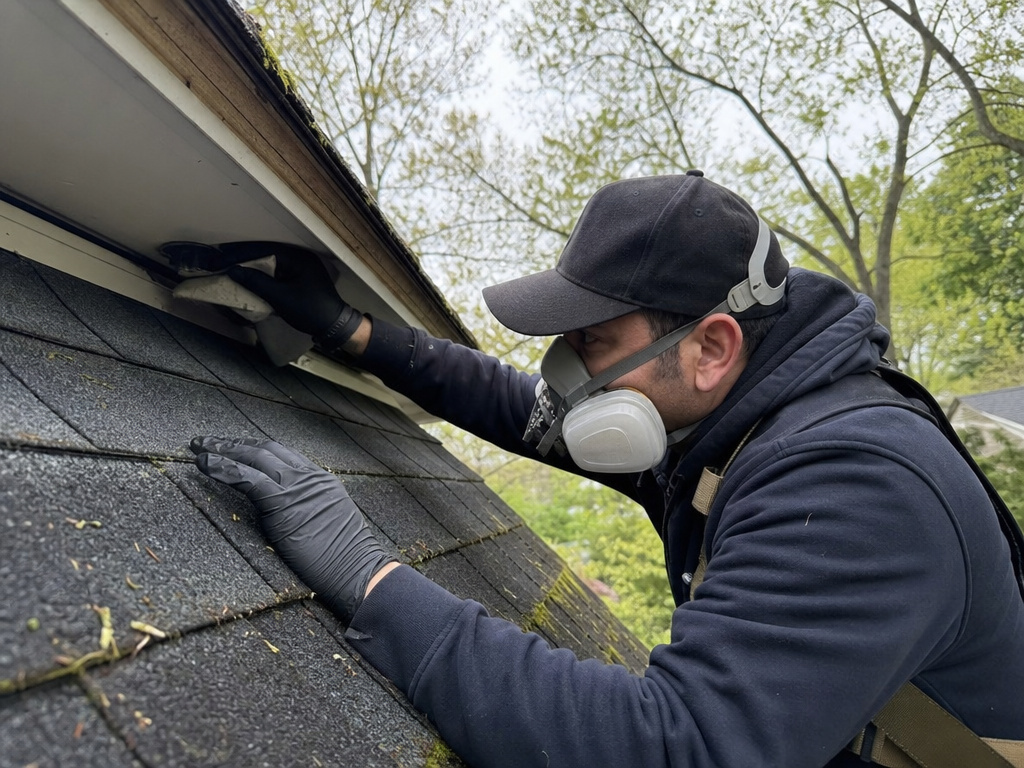
Locate and permanently close gaps around rooflines, eaves and flashing on Beacon Hill and Back Bay row houses using metal and mesh that matches existing materials.
✓One-Way Door Installation
Fit exterior one-way exits on confirmed active holes so squirrels leave but cannot return, followed by final sealing after 48-hour monitoring.
✓Historic Building Exclusion
Perform exclusion work on pre-1900 structures in the North End and Beacon Hill while preserving original brick and slate without visible modern hardware.
✓Multi-Unit Chaseway Treatment
Address shared wall and chaseway travel routes in South End and Dorchester apartment buildings to stop squirrels moving between units.
✓Attic Insulation Removal and Sanitation
Remove contaminated insulation and droppings, then treat surfaces to break scent trails before new insulation is installed.
✓Chimney and Vent Guard Installation
Fit custom stainless guards on chimneys and roof vents common on Charlestown and Jamaica Plain homes to block repeated squirrel access.
Flying squirrels enter Boston attics through gaps as small as a quarter, often along rooflines of brick row houses in Beacon Hill and the North End where original flashing has shifted. We locate these points during daytime inspections, then install metal flashing and foam backer rod that withstand freeze-thaw cycles from the Atlantic-moderated climate.
In multi-unit buildings in the South End and Charlestown, squirrels travel between units through shared chaseways; one-way doors must be placed on the exterior only after confirming no pups remain inside. We remove soiled insulation and droppings to eliminate scent trails that attract new animals, then seal with copper mesh rated for historic masonry.
How It Works in Cambridge
- 1
Daytime Inspection
Walk the attic and exterior during daylight to find active entry points and nesting areas without disturbing nocturnal animals.
- 2
Live Trapping
Place box traps at confirmed travel routes and check them on schedule until all animals are accounted for.
- 3
Exclusion Work
Install one-way doors first, then permanently seal all openings with appropriate metal and mesh once animals have exited.
- 4
Cleanup and Prevention
Remove waste, sanitize surfaces, and add vent guards or mesh to stop future entry.
Serving All of Cambridge
We regularly handle flying squirrel removal jobs near:
- 📍Harvard University
- 📍MIT
- 📍Charles River
- 📍Cambridge Common
Flying Squirrel Removal Pricing in Cambridge
Pricing depends on number of entry points, attic access difficulty, and whether insulation replacement is needed; inspection required before quote.
Want the full picture of this service? See our Flying Squirrel Removal page, or everything we do in Cambridge, MA.